
- Catalogs
- Bühler Group
- LAIA_Brochure

LAIA_Brochure
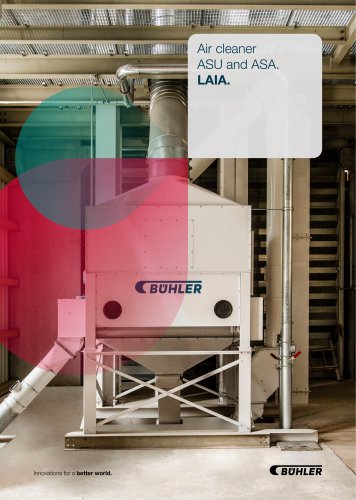
LAIA_Brochure
- ASU 200 and ASA 200 have a maximum product capacity of 220 t/h for wheat, rye, and corn.
- ASA 150 has a capacity of 165 t/h for the same products.
- Operating widths are 2,000 mm for ASU 200 and ASA 200, and 1,500 mm for ASA 150.
- Motor power for fans is 2 x 5.5 kW for ASU, with a discharge screw power of 0.75 kW for all models.
- Aspiration connection ranges from ~20 to ~260 m3/min.
- Total weight varies from ~1,020 kg to ~1,720 kg.
Catalog excerpts
Innovations for a better world,
Open the catalog to page 1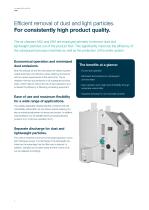
Efficient removal of dust and light particles. For consistently high product quality. The air cleaners ASU and ASA are employed primarily to remove dust and lightweight particles out of the product flow. This significantly improves the efficiency of the subsequent process machines as well as the protection of the entire system. Economical operation and minimized dust emissions. Both the exhaust air and the recirculated air cleaner systems enable extremely cost-effective coarse cleaning of products with low space requirements at the same time. The air cleaners minimize dust emissions in all subsequent...
Open the catalog to page 2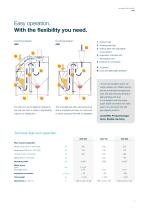
Easy operation. Functional diagram The ASU is a recirculated air cleaner fitted with two fans in order to significantly improve air distribution. Functional diagram The cost-effective ASA uses exhaust air and is employed primarily for moist and / or sticky products like malt or rapeseed. 2 Vibrating inlet flap 3 Vertical sifter with adjustable cross-section 4 Expansion chamber with discharge screw B Dust and lightweight particles »In our new reception point, we mainly receive corn. Before we dry and store the fresh harvested product, the ASU removes all kind of light particles and dust. In combination...
Open the catalog to page 3
Grain Quality and Supply DE-92339 Beilngries Germany T +49 8641 701 0 F +49 8641 701 133 [email protected] buhlergroup.com Bühler GmbH
Open the catalog to page 4All Bühler Group catalogs and technical brochures
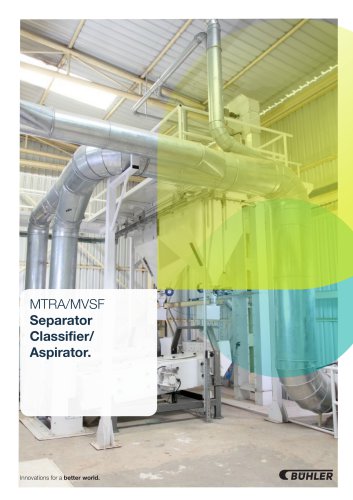 MTRA & MVSF_Brochure
6 Pages
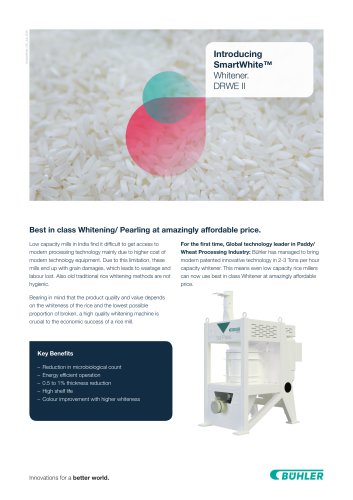 DRWE_Flyer
2 Pages
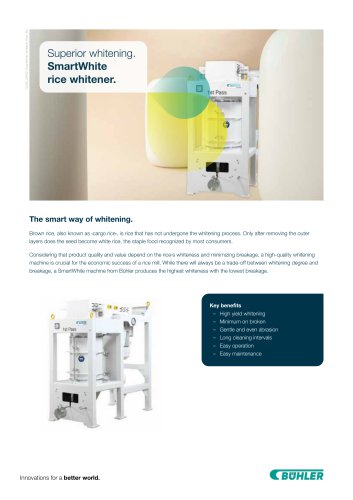 DRWD_Flyer
2 Pages
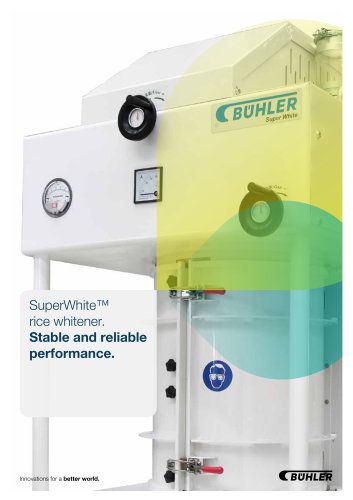 DRWB_Brochure
6 Pages
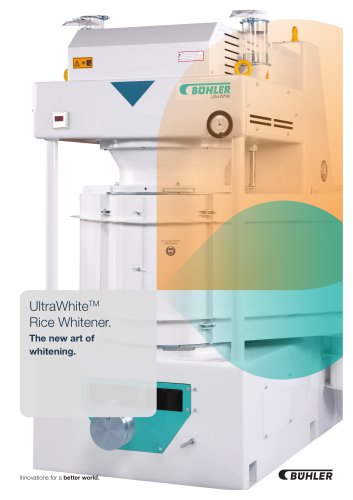 DRWA_Brochure
8 Pages
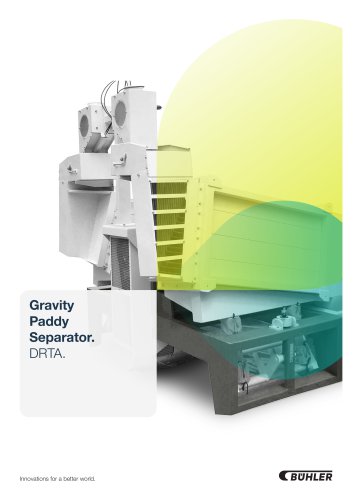 DRTA_Brochure
6 Pages
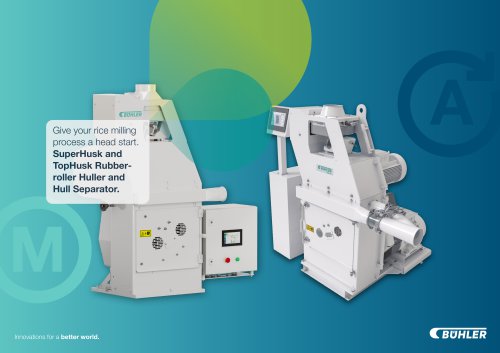 DRHE_DRHK_DRSD_Brochure
6 Pages
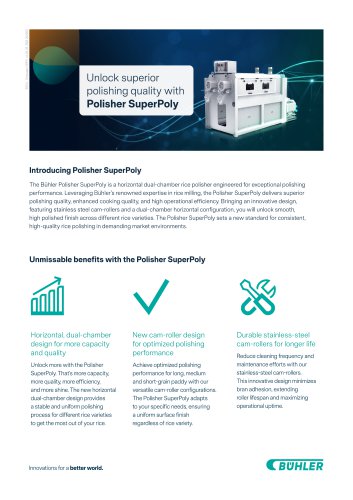 DRPS_Flyer
2 Pages
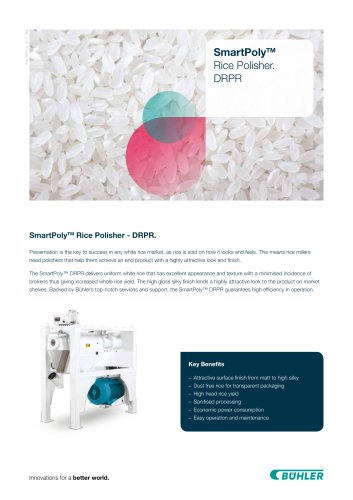 DRPR_Flyer
2 Pages
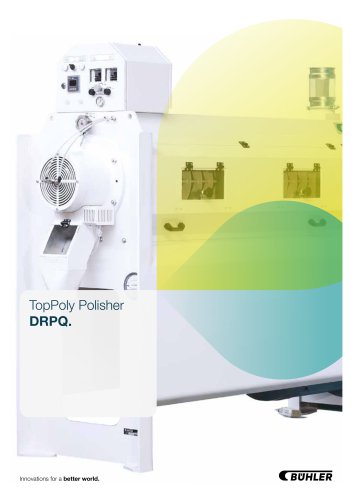 DRPQ_Brochure
6 Pages
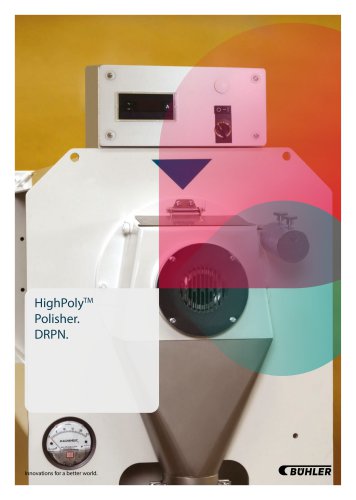 DRPN_Brochure
6 Pages
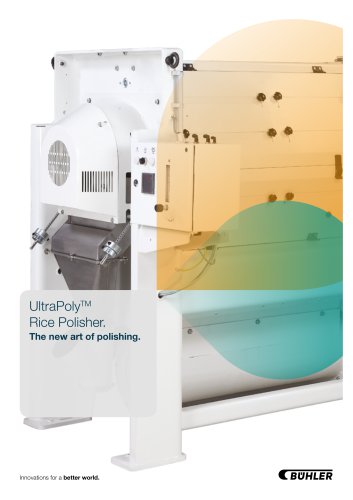 DRPG_Brochure
8 Pages
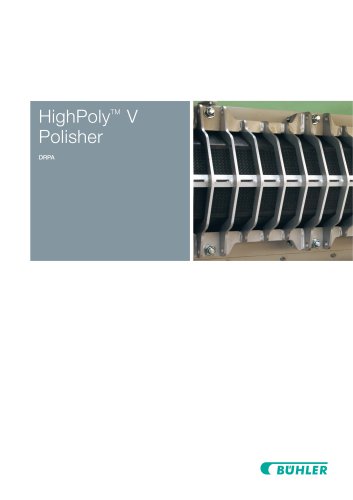 DRPA_Brochure
6 Pages
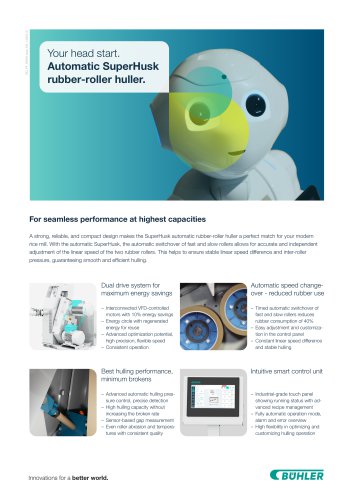 SuperHusk_DRHK_Flyer
2 Pages
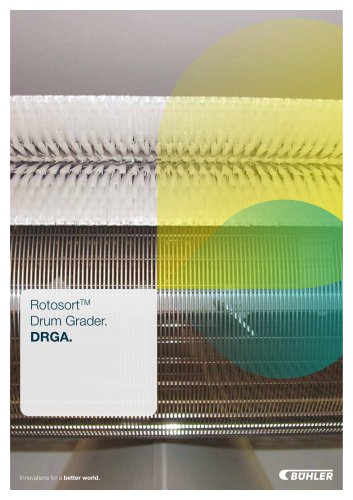 DRGA_Brochure
6 Pages
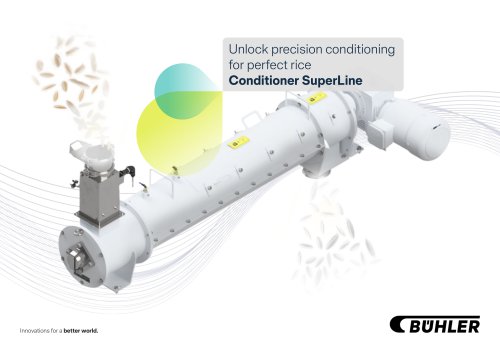 DRCA_Brochure
6 Pages
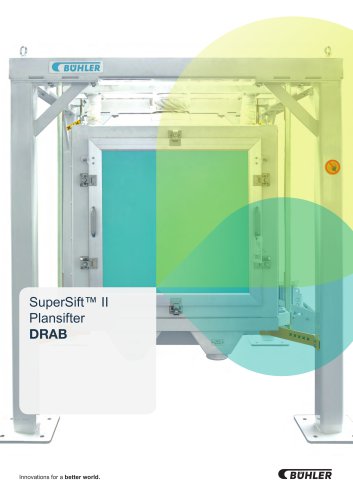 DRAB_Brochure
6 Pages
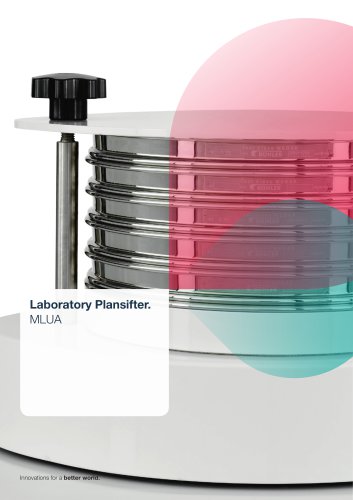 MLUA_Flyer
4 Pages
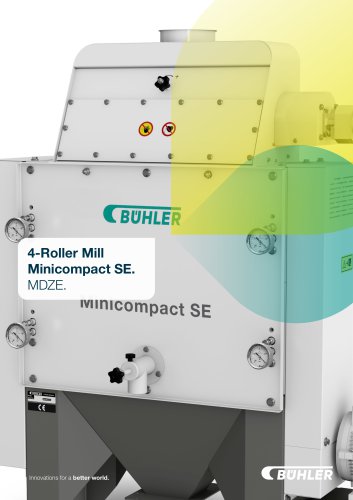 MDZE_Brochure
4 Pages
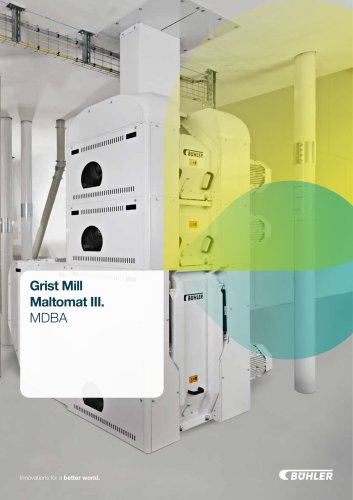 Maltomat III_Brochure
8 Pages
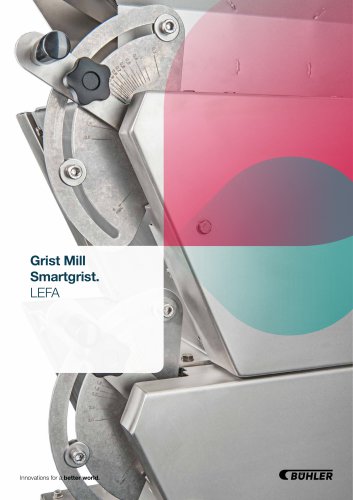 LEFA_Flyer
3 Pages
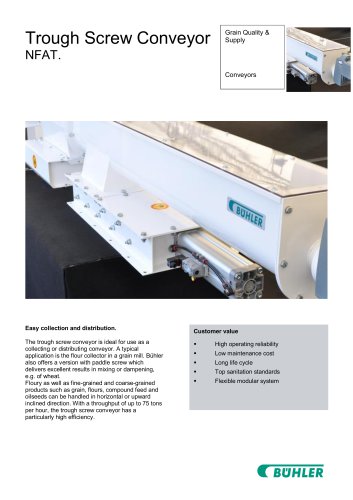 NFAT_Flyer
2 Pages
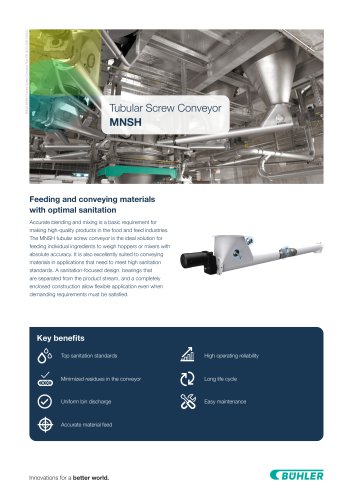 MNSH_Flyer
2 Pages
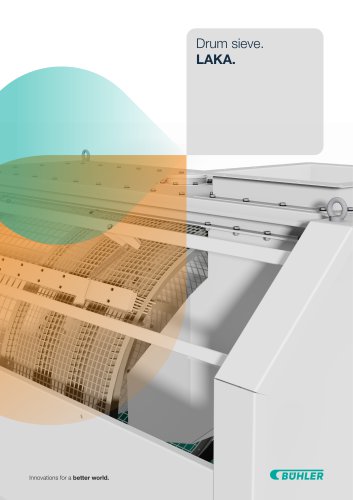 LAKA_Flyer
4 Pages
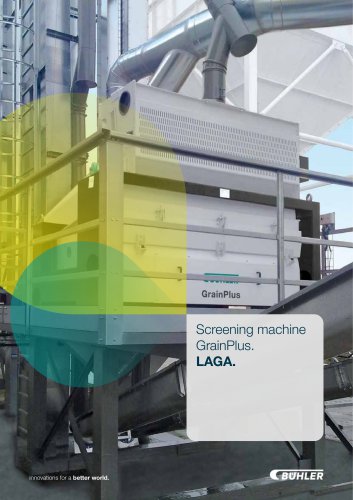 LAGA_Flyer
4 Pages
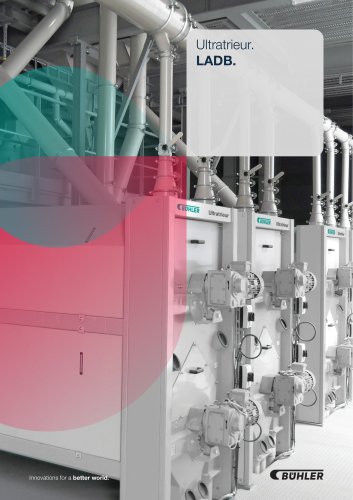 LADB_Flyer
4 Pages
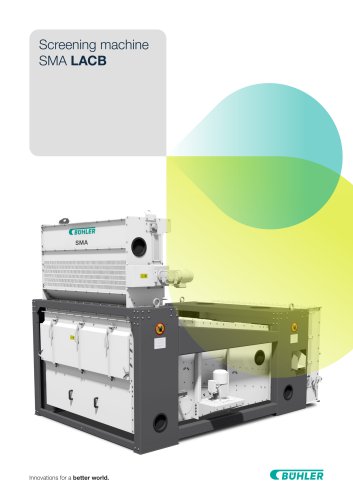 LACB_Flyer
4 Pages
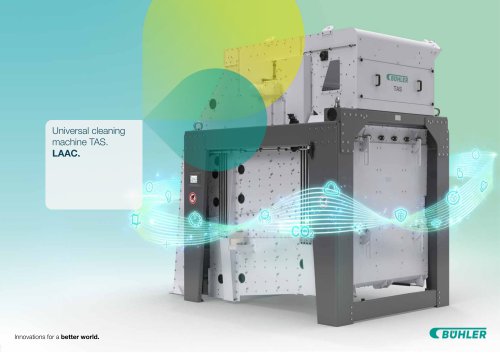 TAS_LAAC_Brochure
7 Pages
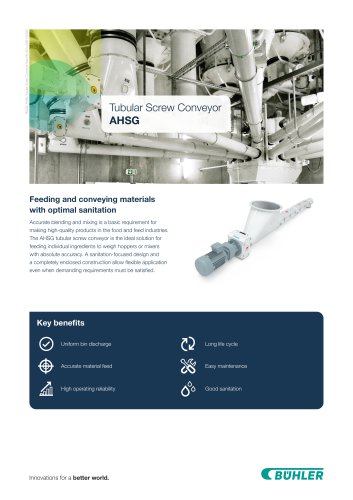 AHSG_Flyer
2 Pages
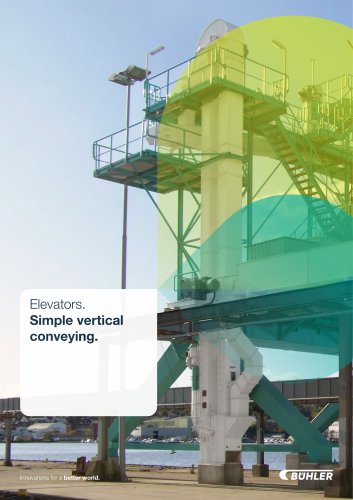 Bucket elevators_Brochure
20 Pages
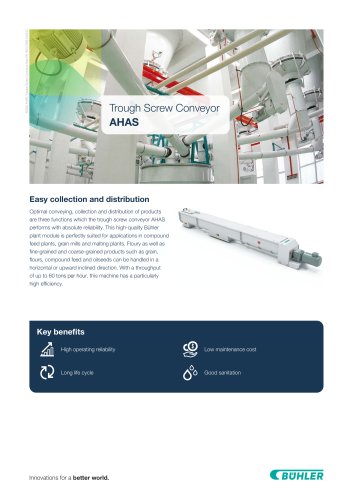 AHAS_Flyer
2 Pages
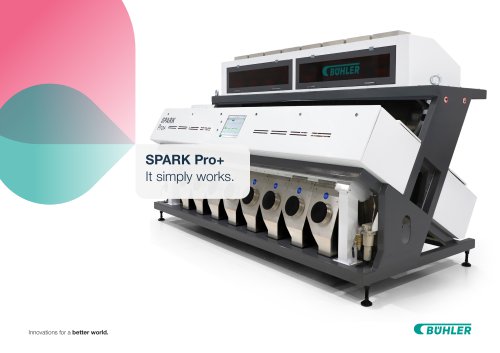 SPARK Pro+_Product brochure
12 Pages
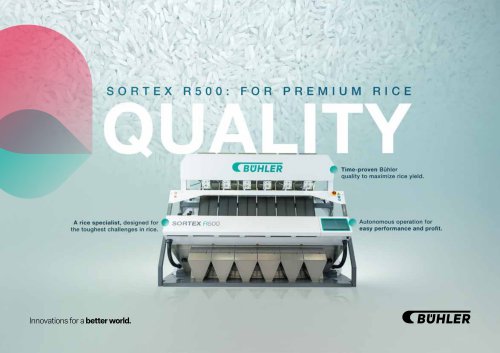 SORTEX R500_Product brochure
8 Pages
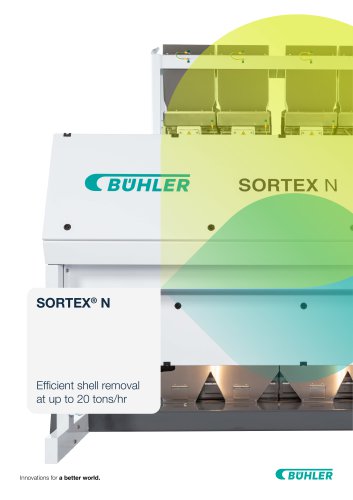 SORTEX N_Product brochure
3 Pages
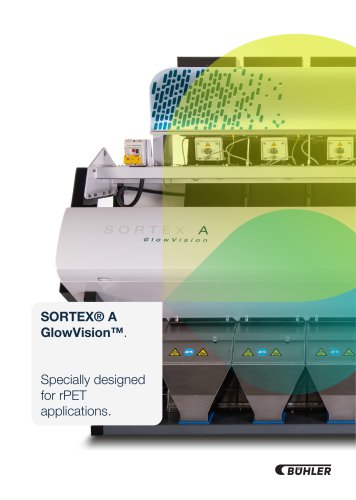 SORTEX A GlowVision_Brochure
4 Pages

- Feed mixer
- Belt conveyor
- Silo
- Grain conveyor
- Single-auger mixer
- Grain silo
- Metal silo
- Seed dryer
- Stationary dryer
- Horizontal mixer
- Bühler grain mill
- Screw conveyor
- Haulm separator
- Stationary mixer
- Feed conveyor
- Bühler pre-cleaner
- Bühler optical sorter
- Bühler grain pre-cleaner
- Vegetable crop cleaning machine
- Tubular conveyor
- VirtualExpo Group
- Our Partners
- Recruitment
- Testimonials